
Your immune system sends white blood cells and other chemical messengers to your sore muscles, promoting healing. Inflammation is a topic that comes up frequently in my sessions with athletes, but it isn’t always a “bad thing” to be feared. Acute inflammation that happens after an injury – that bee sting, sprained ankle, or pimple– is an important part of how our bodies heal.

Health Categories To Explore
The sports diet is a fundamental ingredient for any athlete’s well-being and health. A healthy, balanced diet not only improves performance on the field but is also effective during the recovery phase after training. For instance, anti–inflammatory foods are recommended after physical activity as they help to recover quicker and better, preventing injuries and muscle pain that appears during physical activity or during recovery. This is because anti-inflammatory elements, which fight inflammatory processes, protect our cells and strengthen the immune system. Mixed diets high in antioxidants may be safer than antioxidant supplementation and possibly confer greater benefits.
Is Canned Tuna or Chicken Healthier? Dietitians Reveal Which Has More Protein, Less Fat
Ideally, you would eat eight to nine servings of fruits and veggies per day, limit your intake of red meat and dairy, choose complex carbohydrates over simple ones, and swear off processed foods, per the Cleveland Clinic. There are many paths to optimize nutrition for sports performance and to prevent chronic disease. Incorporating an anti-inflammatory eating pattern can be an important tool for success on both fronts. Adding healthy fats provides more than flavor; the right fats can help decrease inflammation and get us recovered and back to training more quickly. Whether you are cooking with olive oil or using it as a salad dressing, it has an https://wakeuptaylor.boardhost.com/viewtopic.php?pid=42164 important anti-inflammatory role.
10. ALTITUDE TRAINING
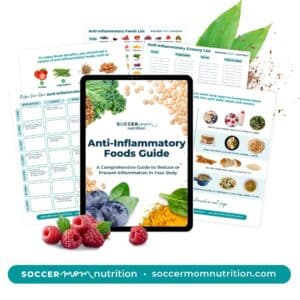
In this blog post, I’ll walk you through some background on inflammation and the role that anti-inflammatory foods play in our bodies. I’ll explain why I often start with the addition of these foods when trying to decrease an inflammatory response, and I’ll give you some of my favorite, easy ways to include these foods starting today. The Cetilar® Nutrition line, dedicated to sports nutrition, features Defense Booster—a supplement rich in vitamins, minerals, lycopene, and coenzyme Q10.
Favorite Resource for Anti-Inflammatory Diet Meal Planning
The resting hypoxia group also had a greater increase in post-training markers of oxidative stress. It appears that training with the added hypoxia yields an increase in the production of free radicals that depletes the body’s antioxidant capacity. The increased antioxidant intake during this time may assist in maintaining antioxidant levels. The depletion in the hypoxia group had not returned to baseline levels after 2 weeks of recovery (Pialoux et al. 2009a), indicating a more sustained impact on antioxidant levels. Another study reported only a trivial difference in markers of oxidative stress in the supplemented group following 2 weeks of moderate intensity exercise at high altitude (Subudhi et al. 2004).
- There’s not yet research to show that those vegetables trigger inflammation or increase risk of long-term health problems, Shapiro said.
- Turmeric, ginger, garlic, and cinnamon are all natural anti-inflammatories and are delicious additions to your sports diet.
- These athletes had relatively higher concentrations of erythrocyte antioxidant enzymes at rest but reductions in these enzymes post-race indicating a depletion of antioxidant defence mechanisms.
- She has a strong background in sports nutrition and has worked with professional, Olympic, collegiate, and high school teams and individual athletes.
- Avocados are a great source of quality fat, vitamin E, potassium and glutathione (a potent antioxidant).
- Antioxidants are known to play a role in modifying inflammation of the airways outside the athletic community.
What To Know About Exercise and Heart Rate Zones
Unlike acute inflammation, athletes may experience long-term or chronic inflammation. There’s not yet research to show that those vegetables trigger inflammation or increase risk of long-term health problems, Shapiro said. They do contain chemical compounds called alkaloids, which in high amounts can cause problems. But you’re simply not getting enough from those vegetables you might be eating to be concerned, she added.
Related Posts
And high profile doctors — like dermatologist Nicholas Perricone and integrative medicine doctor Andrew Weil — have advocated for eating the anti-inflammatory diet for decades. Research has shown that eggs promote inflammation in healthy individuals and can be anti-inflammatory for people who are overweight or who have metabolic syndrome or type 2 diabetes. “People may feel better, with less bloating, gastrointestinal discomfort, and achiness,” Scanniello says.
Potential Health Benefits of Tomatoes
The risk of upper respiratory tract illness is thought to be highest during periods of overreaching or overtraining and around competition. A period of increased vulnerability, the so-called ‘window of immunosuppression’ after exercise, is based on data showing that immune perturbations can last up to 72 h after competition or a hard training session (Nieman 2007). Multi-nutrient supplementation could be a safer choice compared with very high doses of individual antioxidants, or nutrients providing increased antioxidant defence, with fewer risks of potential harm (Atalay et al. 2006). It seems prudent to recommend a diet rich in natural antioxidants including generous quantities of a variety of fruits and vegetables.
2. ENDURANCE TRAINING AND OXIDATIVE STRESS
Scanniello says eating this way is a good idea for everyone because many of the foods with the potential to lead to inflammation aren’t healthy anyway. “I believe everyone can benefit from limiting or eliminating sugar and highly processed foods and choosing unsaturated fats, fruits, vegetables, nuts, seeds, and lean proteins,” Scanniello says. The Nutrition with Wendi team utilizes evidence-based science to tailor nutrition programs for athletes to optimize performance, minimize health risks, and enhance recovery from training while focusing on injury prevention. We partner with parents, athletes, health professionals, and individuals and offer elite nutrition and health guidance for optimal athletic performance, injury, and disease reduction. We provide virtual sports nutrition coaching, education, and presentations virtually in Texas, Florida, California, Minnesota, Ohio, Illinois, Indiana, Iowa, Nebraska, New Jersey, New York, North Dakota, Arizona, and Michigan. Our primary office is based in Nashville, Tennessee where we serve the greater Brentwood, Franklin, and Green Hills communities.
What to Eat Before a Long Run
Be sure to consult your healthcare team before making any major changes to your eating habits. She says an anti-inflammatory diet could be especially helpful for someone who’s dealing with chronic inflammation as a result of a health condition. Athletes and people who exercise at a high intensity and are looking to lessen their baseline inflammation could also find it beneficial, she says. Another good way to incorporate healthy fats daily is to choose nuts and seeds as part of your snack routine; think of pairing a handful of walnuts with a bundle of grapes for an afternoon pick-me-up.
